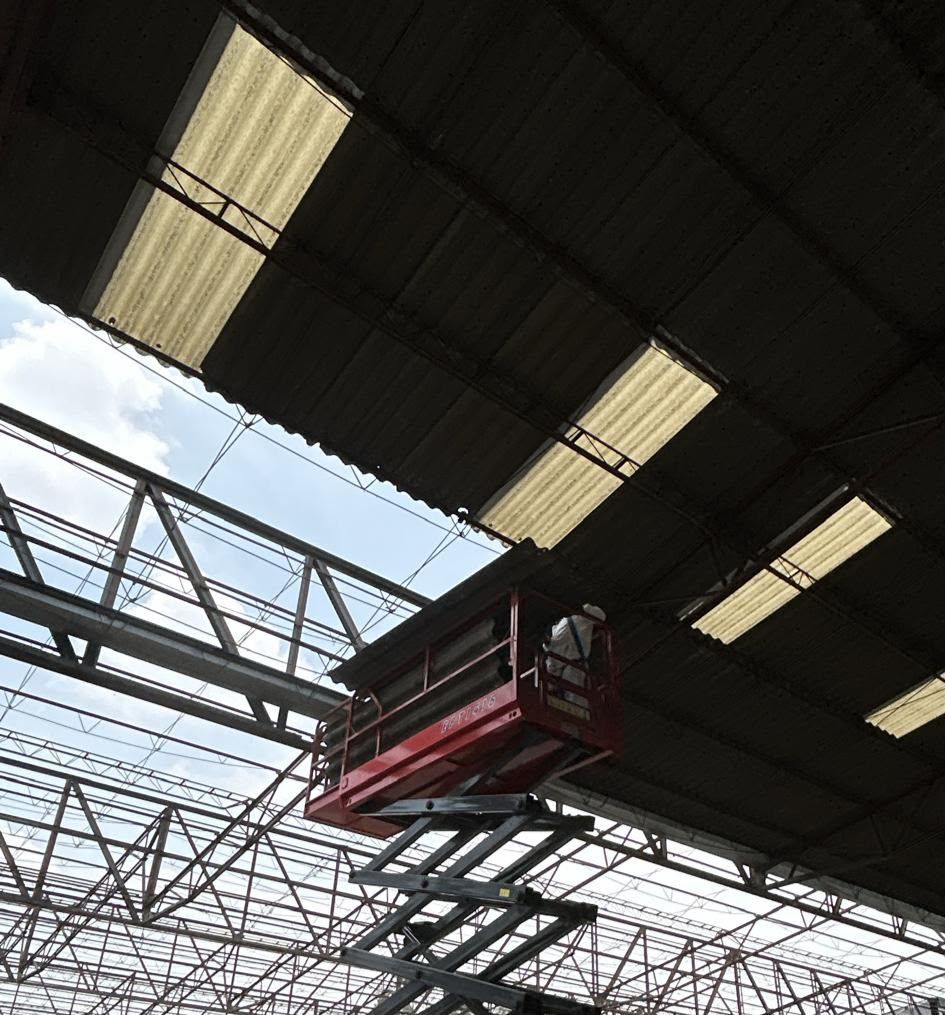


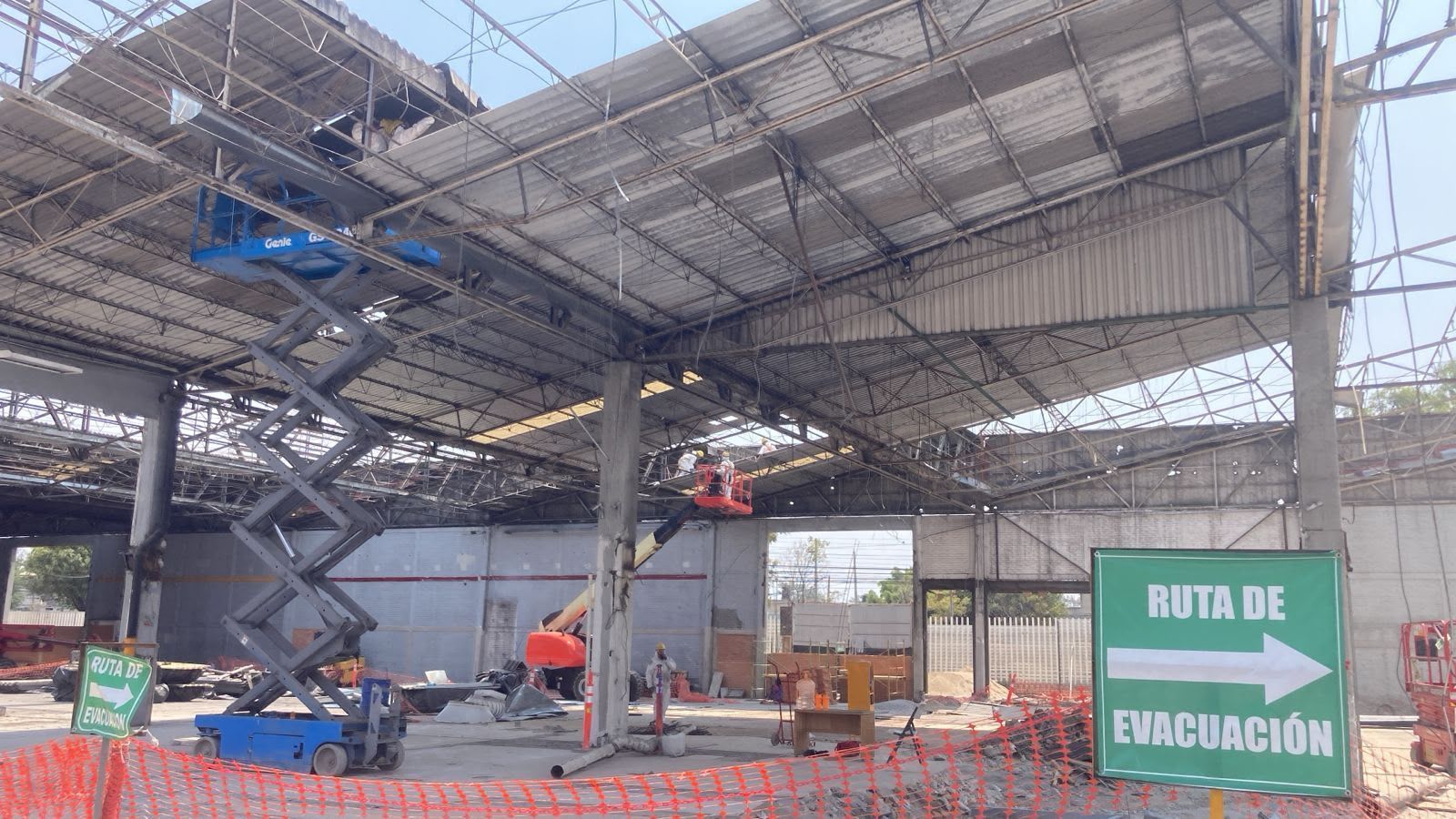
Asbestos Roof Removal for Industrial Buildings and Other Structures
This service safely removes asbestos roofs from industrial buildings and other structures. We hold all certifications required to perform this specialized work, as well as all permits for the proper final disposal of asbestos and authorized transport by SCT and SEMARNAT, in compliance with NOM-052 regulations for hazardous waste management.
- Asbestos roofing on industrial buildings — complete removal of corrugated roofing with fiber containment
- Asbestos roofing on buildings — safe dismantling at warehouses, offices, and plants
- Asbestos water tanks — replacement and certified disposal of contaminated water storage tanks
- Asbestos pipes—replacement and certified disposal
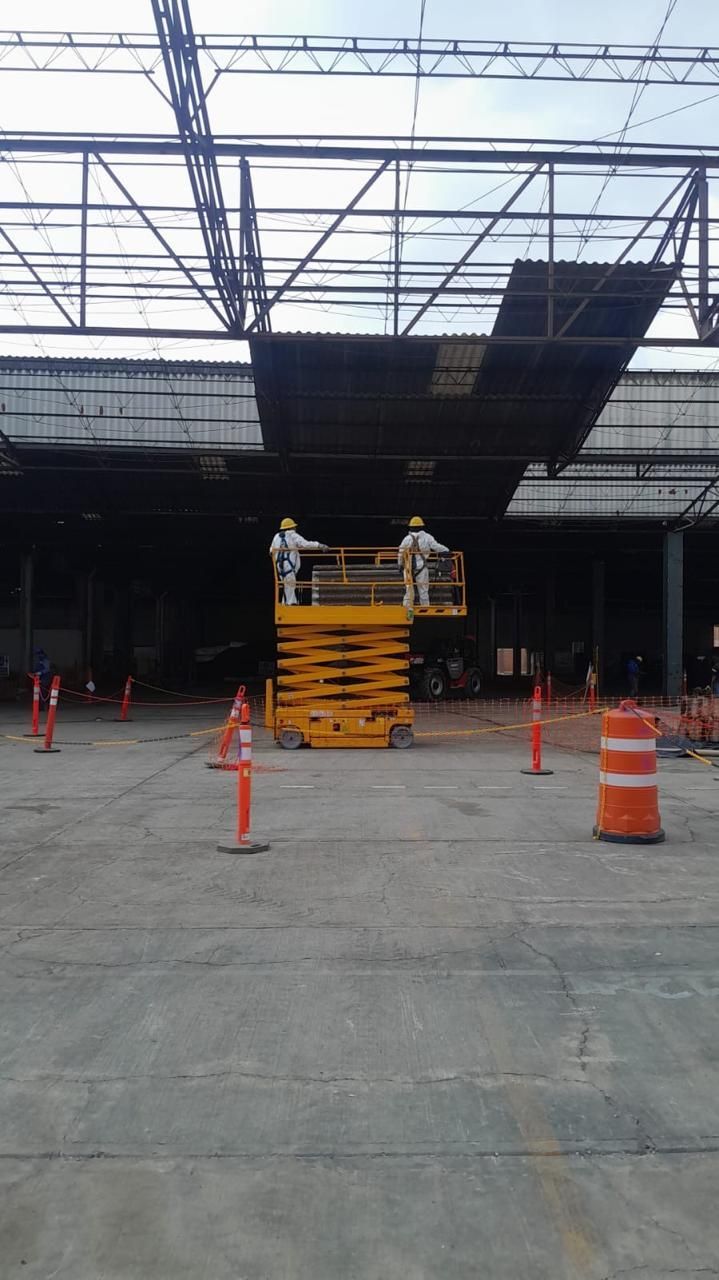
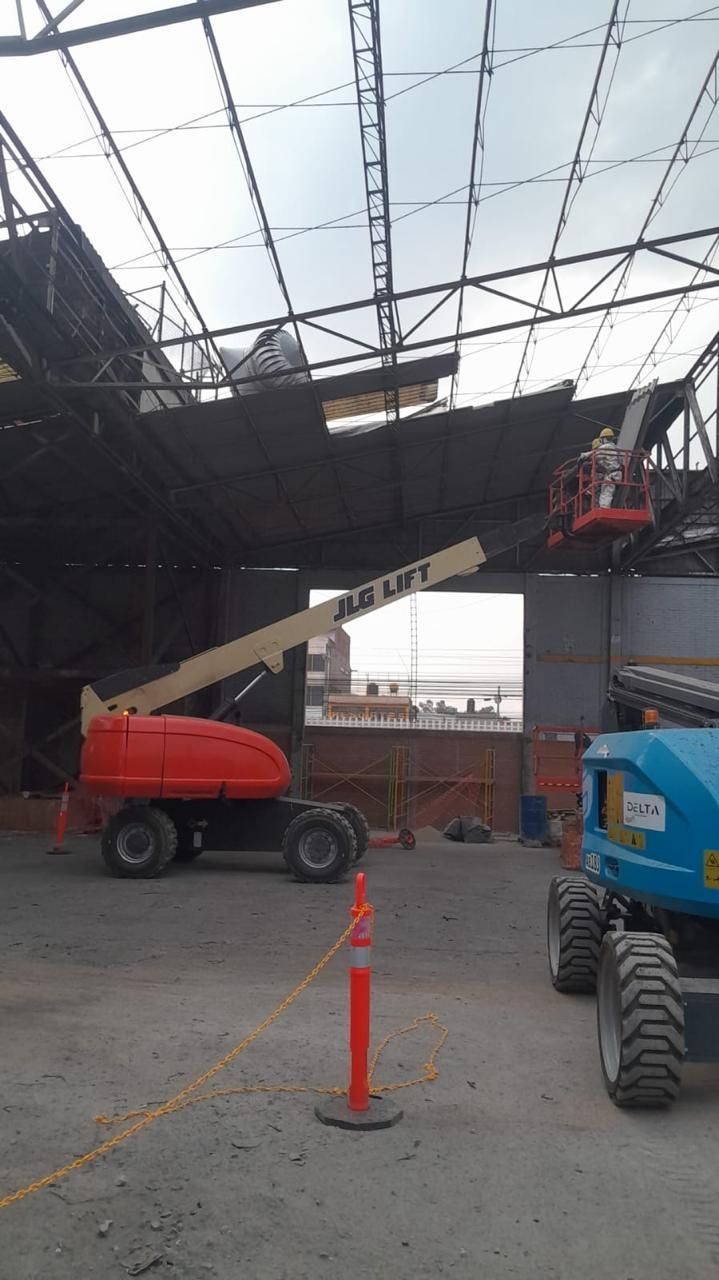
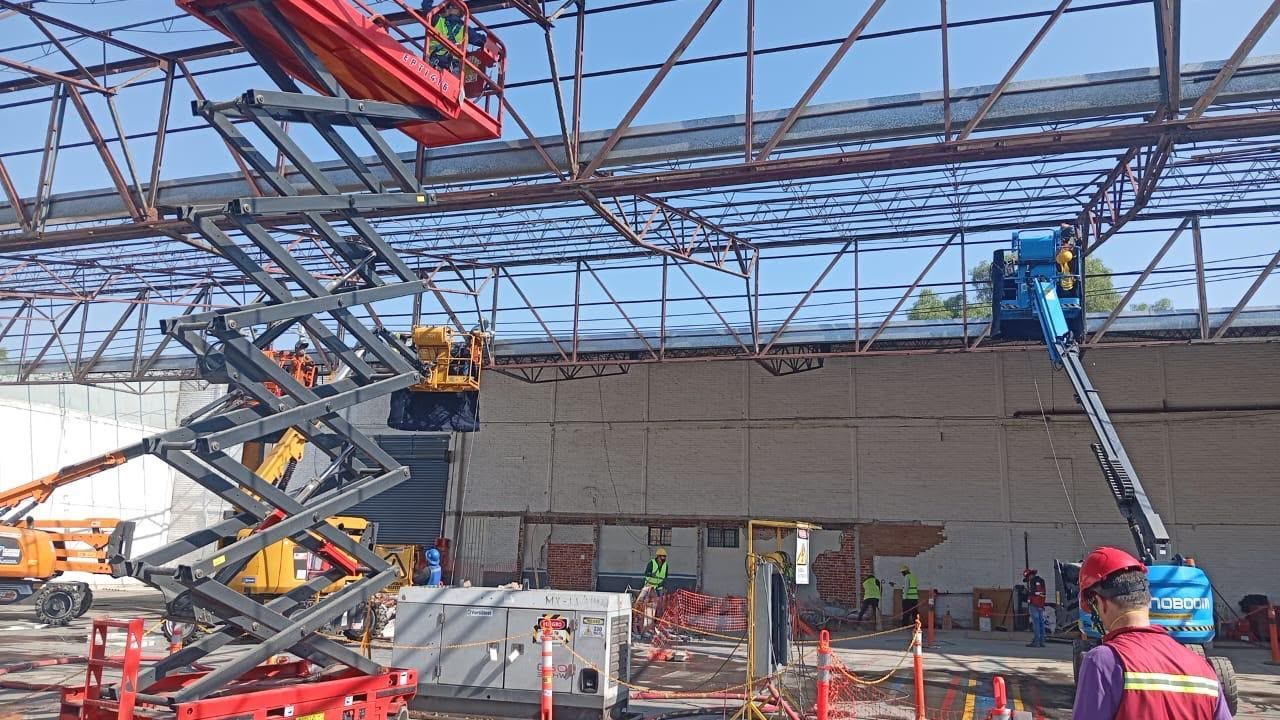
ROOF DISMANTLING PROCESS
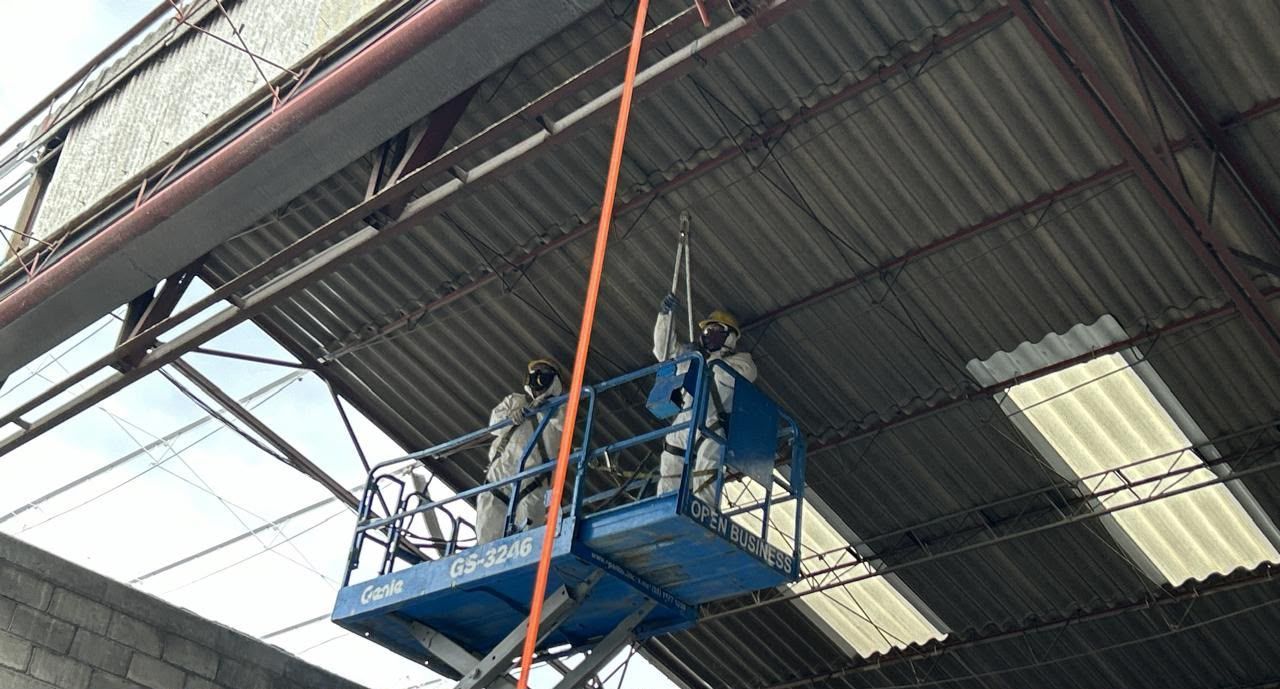
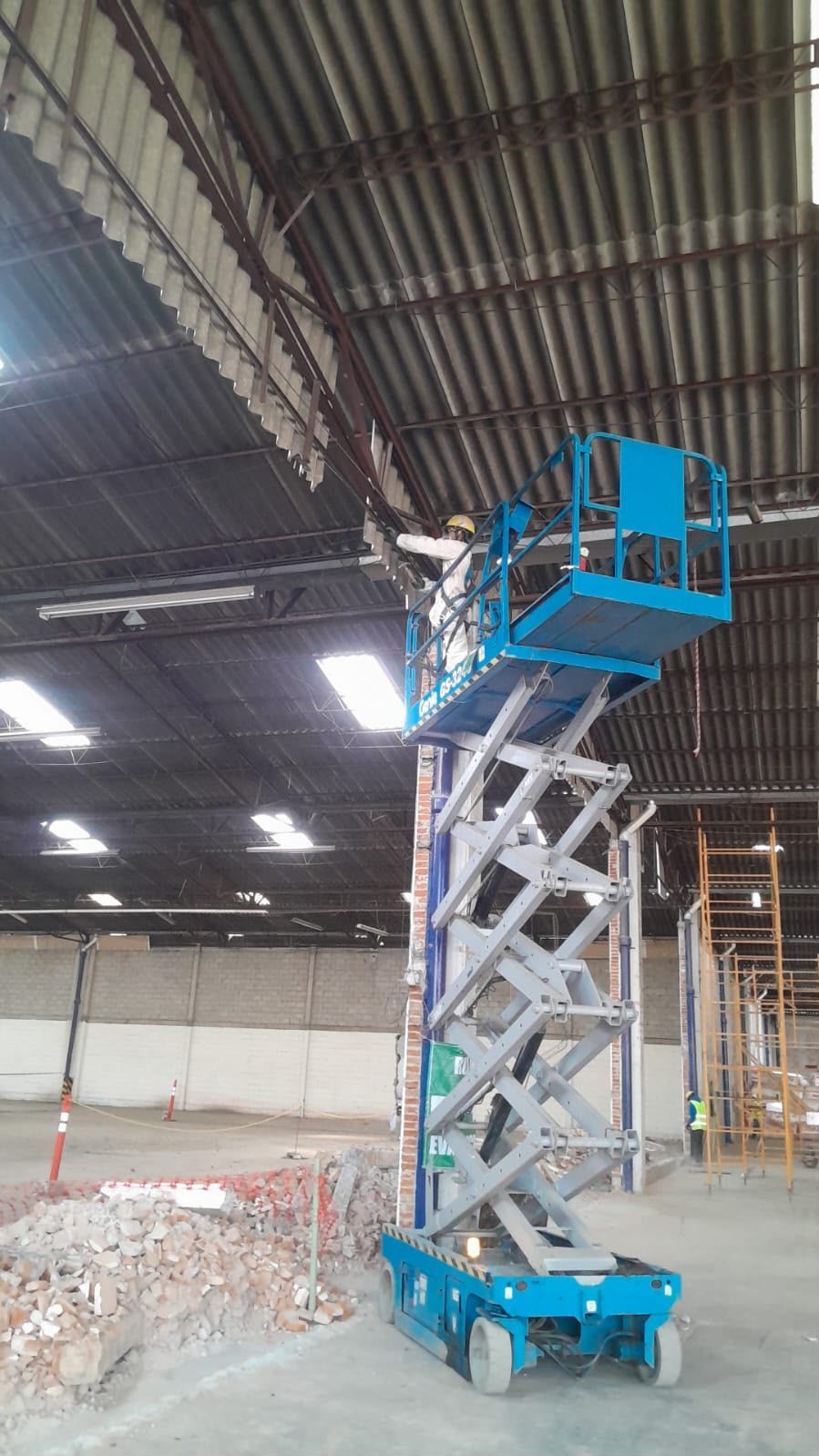
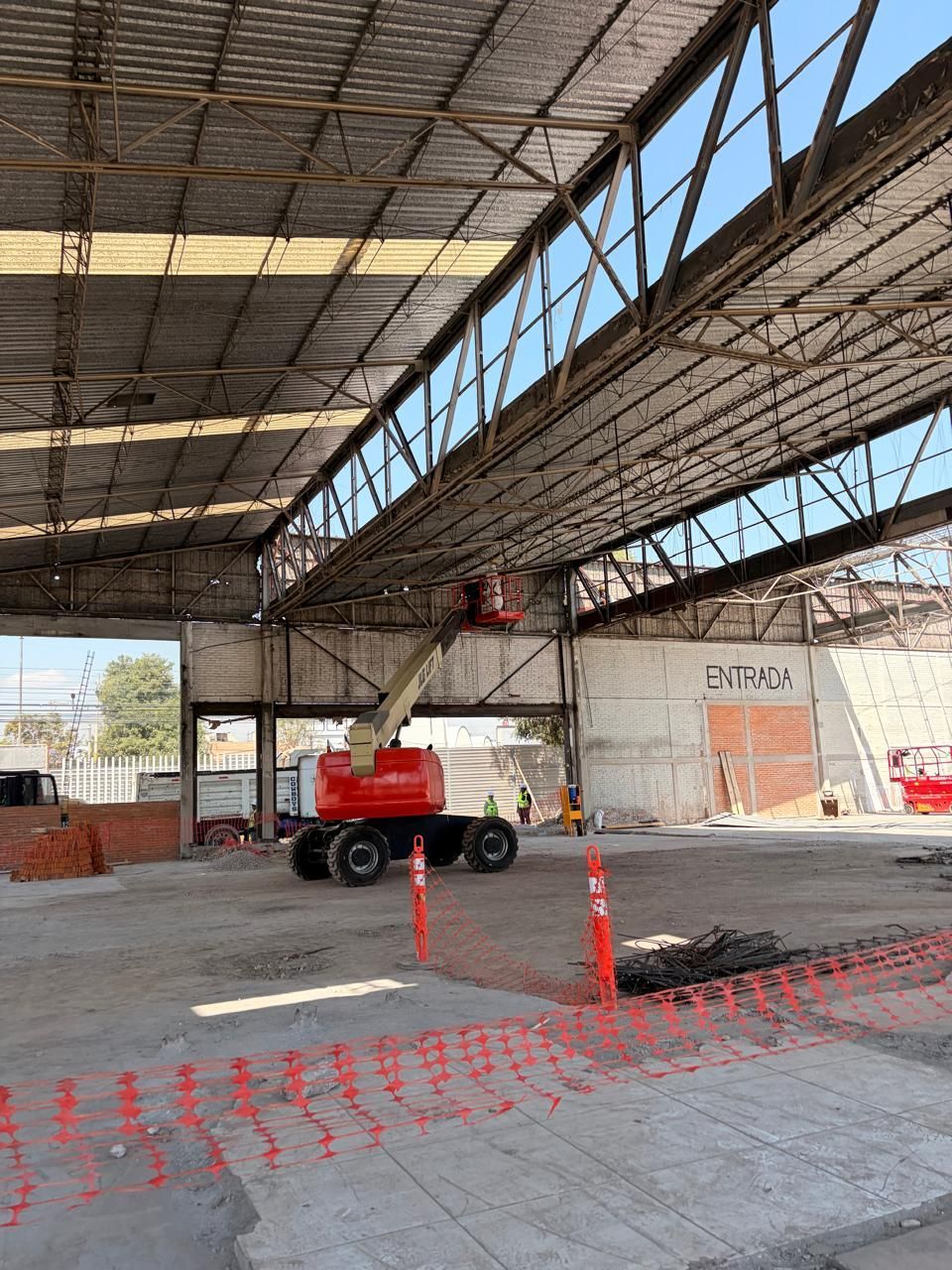
BOLTS ARE REMOVED AND THE ASBESTOS SHEETING IS DISMANTLED FROM THE METAL STRUCTURE, USING ALL NECESSARY SAFETY MEASURES AND SPECIALIZED EQUIPMENT FOR ASBESTOS HANDLING.
SHEET DISMANTLING AND LOWERING
01
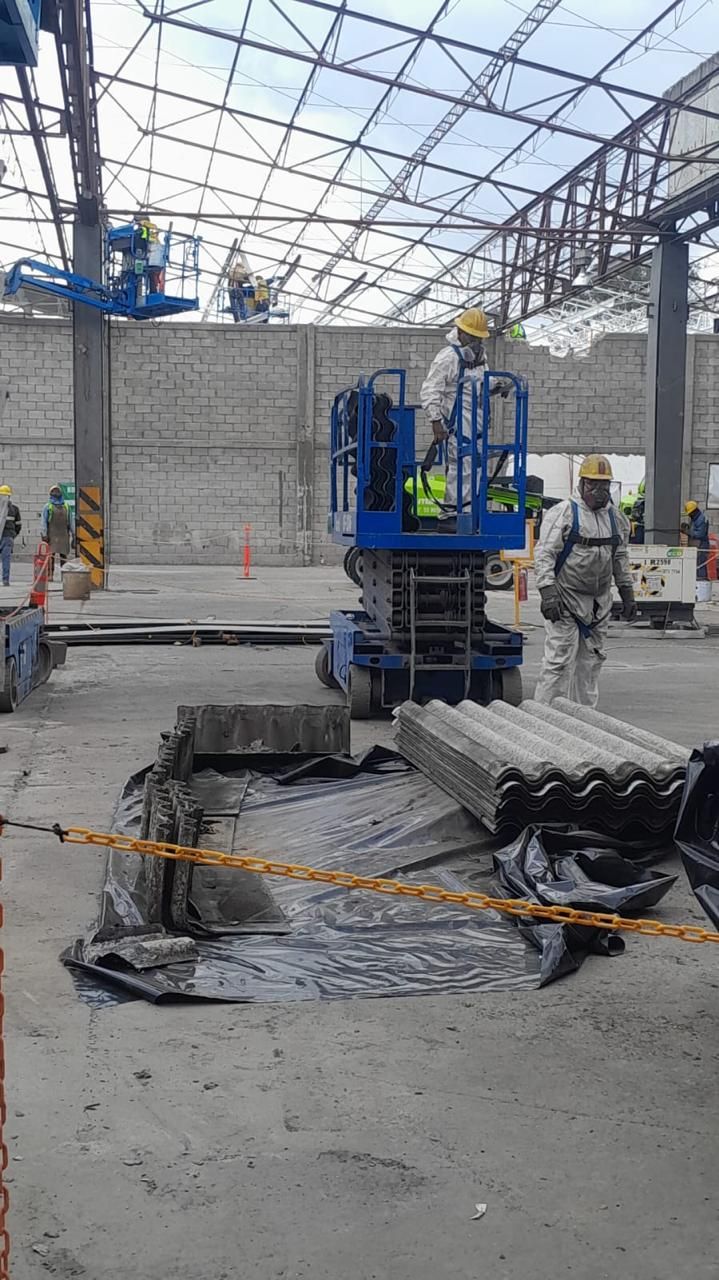
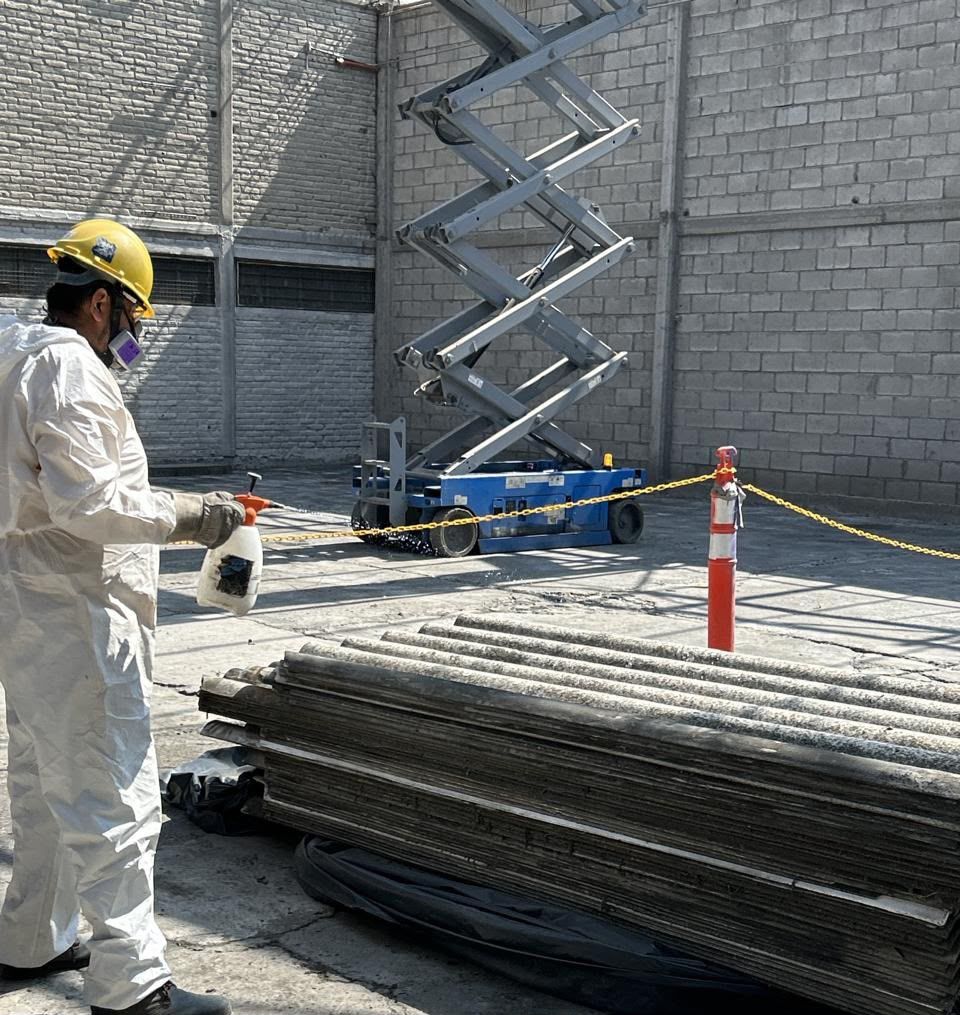
FOSTER IS SPRAYED TO PREVENT PARTICLES FROM BECOMING AIRBORNE. THE SHEETS ARE THEN PACKAGED FOR TEMPORARY STORAGE AT THE WORKSITE
FOSTER SPRAYING AND SHEET PACKAGING
02
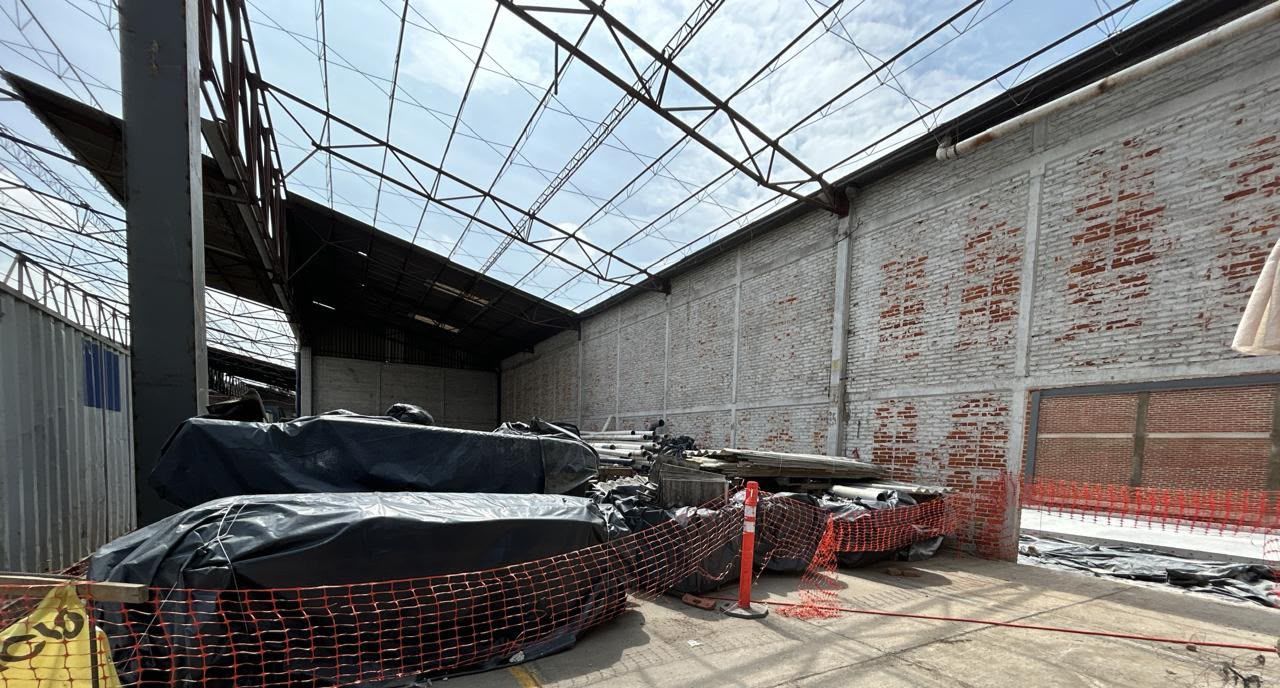
SHEETS ARE PACKAGED AND STORED IN A TEMPORARY HAZARDOUS WASTE STORAGE AREA BEFORE BEING LOADED AND SHIPPED TO DISPOSAL FACILITIES AUTHORIZED BY SEMARNAT.
TEMPORARY STORAGE FOR SHIPMENT TO A PERMITTED DISPOSAL FACILITY
03
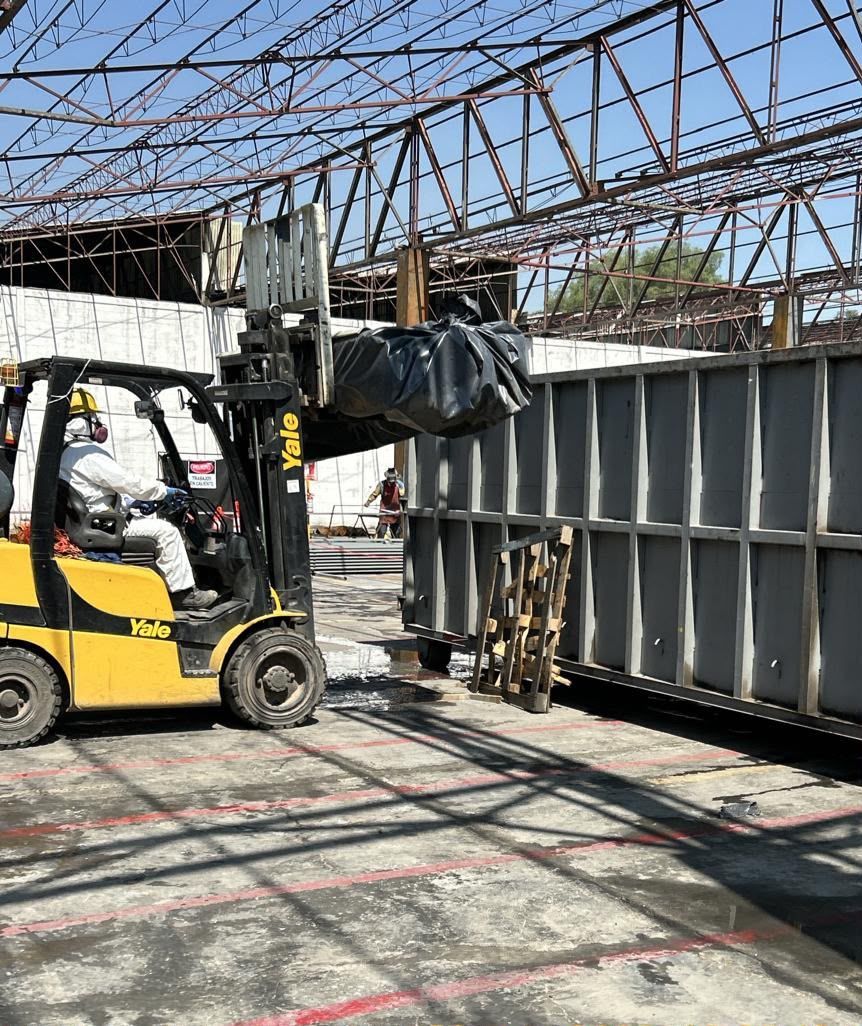
THE AUTHORIZED UNIT FOR TRANSPORTING HAZARDOUS WASTE BY SCT AND SEMARNAT IS LOADED WITH THE ASBESTOS SHEETS FOR DELIVERY TO DISPOSAL SITES AUTHORIZED BY SEMARNAT. THIS COMPLETES THE TRACEABILITY AND PROPER HANDLING OF THE ASBESTOS. UPON RECEIPT, THE MANIFEST IS SENT, DETAILING THE TRACEABILITY.
FREIGHT AND SHIPPING
04
Why Asbestos Requires Specialized Handling
When damaged or handled without proper controls, asbestos releases microscopic fibers. Inhaling them is associated with serious respiratory diseases such as asbestosis, mesothelioma, and lung cancer. That is why asbestos removal requires certified personnel, protective equipment, and regulated procedures.
- Airborne fibers — invisible and odorless, they are released when asbestos-containing material is cut, broken, or sanded
- Cumulative exposure—the health effects may appear years after exposure
- Cross-contamination—asbestos dust can spread to other areas if it is not properly contained during removal
That’s why dismantling must be carried out by trained personnel with certified equipment, not general maintenance staff.
Frequently Asked Questions About Asbestos Removal
Which regulations govern asbestos removal?
Asbestos removal must comply with current hazardous waste management regulations, NOM-052, including transport manifests and disposal at authorized sites.
How long does the removal process take?
The duration depends on the size of the building and the amount of material to be removed. A typical industrial roof can take 4 to 15 business days, from inspection through final disposal.
How is the service cost calculated?
The cost is determined after a site inspection, based on the area to be dismantled, the type of material (roofing or water tank), and transportation and disposal logistics.Is it safe to remain in the building during removal?
The work area is isolated and contained throughout the process; access to the work zone is restricted until the team confirms it is free of fibers.